Quiet Looms, Living Threads of the Alps
Join us as we revive traditional Alpine weaving with modern low-noise looms, honoring mountain-born techniques while embracing gentle engineering that respects neighbors, families, and shared studios. We will explore fibers, patterns, acoustics, and stories from high valleys, showing how silence and craft together shape warmer homes, kinder communities, and resilient, beautiful textiles worth wearing and passing on.

Mountains in the Warp: Heritage That Breathes

Across Tyrol, Valais, and quiet ridges above forest lines, weaving once anchored kitchens, barns, and village halls. Cloth carried warmth, identity, and songs. By pairing careful footwork and measured shuttles with low-noise innovations, we can bring those rhythms back into modern rooms, keeping peace with thin walls while preserving the integrity, humility, and endurance that defined Alpine cloth for generations.

From Herd to Shuttle

Picture dawn above a pasture, Tyrolean Bergschaf and Valais Blacknose sheep stirring, shepherds guiding flocks along centuries-old routes. Their wool, thoughtfully scoured and spun, becomes warp and weft. When a whispering loom replaces harsh clatter, fibers reveal loft and spring more clearly, letting nuanced tension, hand-twist, and hill-born resilience speak without competition from noise.

Motifs Carved by Snow and Stone

Alpine patterns echo rock faces, avalanche paths, and starlit roofs: sturdy twills, broken diamonds, small crosses, and borders reminiscent of carved lintels. On calm, quiet machines, the reed’s touch feels precise enough to render delicate selvedges faithfully. Revisit heirloom drafts, widen repeats, shift sett by a thread, and watch heritage designs breathe again in peaceful, attentive cadence.

Voices of the Workshop

In a small Graubünden town, an elder named Greta recalled weaving loden after supper while snow pressed the windows. Her grandson installed rubber-footed treadles and composite reeds, and suddenly the house settled into kindness. Her blankets grew finer edges, conversation returned, and evenings reopened for stories, not shouting over clack and ring. Silence, she said, made patterns kinder.

Engineering Silence: Inside Low-Noise Loom Design

Decibels That Respect Conversation

Traditional power looms can blast conversation away, but modern low-noise adaptations aim for a comfortable mid-50s to low-60s decibel range in home settings. Measure with a free phone app, compare surfaces, and experiment with reed types and picking speed. When your loom shares the room rather than dominating it, concentration deepens, tension steadies, and errors quietly disappear.

Tension Without Clatter

Elastic dampers near the beater, silicone washers under castle bolts, and stabilized breast beams tame micro-rattles before they bloom into ruckus. Balanced shuttles glide with less bounce, while well-seated heddle frames avoid ringing. Combine slow, intentional throws with modest take-up increments, and you get crisp sheds, loyal selvedges, and a soft, confident beat that preserves structure and calm.

Maintenance Habits That Keep Things Quiet
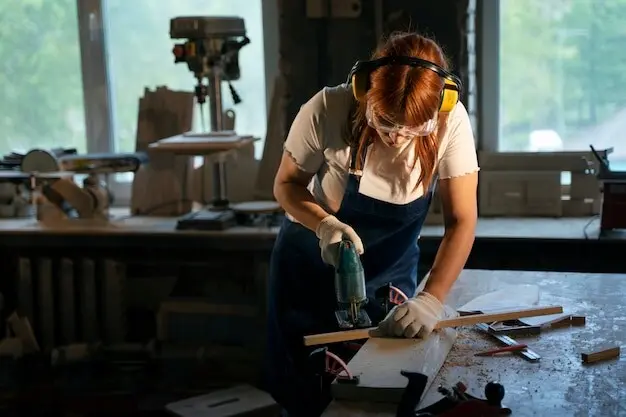
A few minutes each week can transform your soundscape: microfiber dusting, light oil where permissible, alignment checks, and replacing tired cords before squeaks announce themselves. Place cork or felt at contact points, true the reed, and retighten seasonally as wood breathes. Share your quieting tricks in the comments so every reader can refine their studio’s gentle heartbeat.

Designing Fabrics for Mountain Living

Alpine cloth must hold up against freeze-thaw mornings, hearthside wear, and sudden walks through wet meadows. With quiet machinery, you can listen to fiber feedback and refine structures thoughtfully. Think durable twills, gently fulled finishes, warming blankets, and scarves that cradle the jawline. The result is utility dressed in grace, born of patience and respectful mechanics.

Studios That Welcome Neighbors

Reviving old skills should strengthen community, not strain it. With considerate scheduling, simple acoustic treatments, and portable setups, weaving can thrive in apartments, chalets, and co-ops. A quieter loom multiplies these wins, making it possible to meet deadlines, respect quiet hours, and host gentle gatherings where fiber friends exchange drafts, yarns, and mountain recipes.

Learning Paths: From First Throw to Alpine Mastery

Growth thrives on small, steady steps. Practice calm sampling, learn from guild archives, and listen to elders whose hands remember winter patterns and patient finishing. A quiet loom lengthens focus, encouraging cleaner edges, truer beat, and better notes. Keep curiosity close, perfection distant, and community central as you gather skill like firewood for long seasons.

Start with a Quiet Sampler

Warp a narrow band with alternating twills and tabby passports, changing only one variable per section: sett, ppi, or fiber blend. Work slowly to hear the reed’s whisper. Record decibel readings beside draft notes, then invite readers to compare results. Collective data helps everyone refine a personal recipe for calm cloth and confident, repeatable technique.

Guilds, Shepherds, and Oral Memory

Visit local guild nights, mills, and pasture walks where shepherds explain fiber crimp and hillside grazing that shapes staple length. Offer to help skirt fleeces; trade a blanket square for stories. Write down reel names and threading rhymes. Add your meeting dates and contacts below so travelers crossing passes can join, learn, and weave friendship into skill.

Documenting Your Weaving Journey

Create a living workbook: drafts, yarn wraps, finishing tests, and quieting tweaks with photos and decibel snapshots. Tag entries by fiber, structure, and room so insights become searchable. Publish a monthly roundup, invite questions, and subscribe to fellow makers’ updates. Shared reflection accelerates mastery, turning scattered experiments into a climb with steady, encouraging switchbacks.

Sustainable Futures Woven Today

Alpine weaving, reborn with gentle machines, stands strongest when tethered to land, animals, and careful use of energy. Local fibers shorten journeys, humane flocks thrive, and durable cloth replaces fast churn. Thoughtful ergonomics spare bodies; repairs extend stories. Together, we can stitch climate responsibility and human kindness into every throw, making beauty that does not shout.
Zorifariteliravo
Privacy Overview

This website uses cookies so that we can provide you with the best user experience possible. Cookie information is stored in your browser and performs functions such as recognising you when you return to our website and helping our team to understand which sections of the website you find most interesting and useful.