
Gear That Grows With You in the Mountains
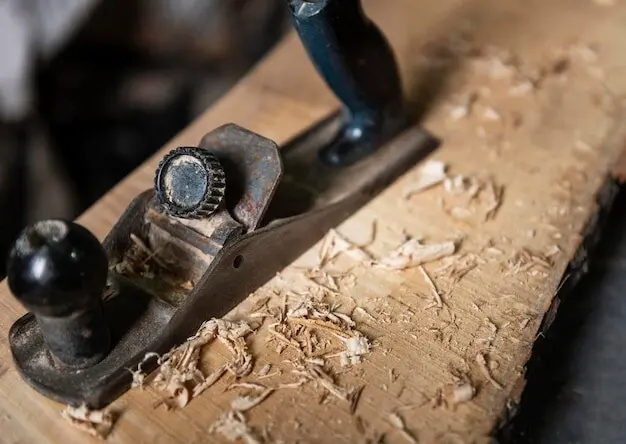
Today we explore Repair-Centric Mountain Gear: Modular Design for Longevity and Quiet Performance. Imagine packs, shells, poles, and bindings built as systems you can tune, fix, and silence in minutes, extending service life, reducing waste, and creating trustworthy companions for cold, high, wind-drawn days. This is about confidence under changing skies, ownership of your toolkit, and thoughtful engineering that rewards curiosity and care.

Repair-first thinking on every ridge

A repair-first approach turns harsh alpine days into manageable puzzles rather than emergencies. When parts are standardized, labeled, and replaceable without specialist tools, you carry reassurance alongside your rope and stove. Costs drop over time, failures become brief interludes, and skills accumulate like mileage. You stop fearing wear and start understanding it, treating each scratch as data, each tune-up as practice, and each successful fix as another summit added to your personal map of competence.

Shared fasteners and open interfaces

Standard screws, buckles, and webbing widths mean a field fix can be as simple as borrowing a part from a friend’s pack or cannibalizing a worn pouch. Open interface dimensions and clear labeling let components mix across generations, protecting your investment from obsolescence. Pair this with steel thread inserts where stress concentrates, and maintenance becomes predictable, reversible, and friendly to gloved hands in sleet, not just tidy benches under perfect shop lighting.

A five‑minute hipbelt swap in spindrift

On a blustery traverse, a guide felt his hipbelt foam collapse mid-step. Because the pack used quick-release ladder locks, he borrowed a spare medium belt from a teammate, swapped it one-handed behind a boulder, and kept schedule. No duct tape sculpture, no painful haul. That tiny, modular decision years earlier preserved comfort, posture, and group momentum when it mattered most, proving that preparedness thrives on design, not just determination and grit.

Service diagrams that travel with you

QR codes printed on inside flaps can open exploded diagrams, torque specs, and part numbers offline, turning your phone into a pocket manual. When wind roars and daylight runs thin, clarity matters more than glossy marketing. Simple line art, arrows, and cross-compatibility lists cut confusion so you select the right screw length, avoid stripping a thread, and finish faster. The result feels like an experienced mechanic whispering instructions from your future self, calm and confident.

Silence in the storm: designing for quiet movement

Quiet performance is not just comfort; it protects wildlife, preserves focus, and reduces fatigue born from constant clatter. Fabric-on-fabric rustle, buckle ping, and ski rattle can be engineered down using soft interfaces, low-friction housings, and baffle geometries that interrupt vibration. Testing in gusty passes and cold anechoic rooms reveals hidden sound paths. The reward is a calmer headspace, clearer communication with partners, and the subtle joy of hearing snow crystals whisper under your steps.

Soft interfaces that stop clatter before it starts

Replace hard buckle-to-frame contacts with elastomer seats and webbing tunnels that cradle hardware. Use brushed tricot or high-loft knit where panels rub, and break up large vibrating spans with darted seams. Even tiny felt washers around cord locks can quell tinkling on frozen dawn starts. When paired with articulated patterning that keeps load lifters aligned, every movement becomes smoother, quieter, and less wasteful, saving energy for route finding rather than tolerating irritating, preventable noise.

Listening tests in gale‑force gusts

Wind lifts every oversight. In structured tests, teams hike loops with microphones on shoulder straps, logging spikes when straps slap or frames resonate. By swapping modules mid-walk, designers isolate culprits, then trim, pad, or re-route until decibels drop. This empirical cycle complements lab rigs, catching real-world oddities like zipper garages whistling at certain angles. The payoff is gear that remains composed when crosswinds whip, letting conversation and intuition guide decisions without competing sonic clutter.

Wildlife‑friendly approaches to night approaches

Approaching a hut after dark, a photographer avoided startling resident ptarmigan by taping a rattling sternum strap with reusable silicone wraps. Future iterations integrated quiet cord keepers and soft-touch ladder ends, eliminating the hack. Respectful silence protects fragile habitats, but it also reduces stress in the group, easing navigation and communication. When stillness becomes standard, you notice stars sharpening overhead, snowpack textures underfoot, and the steady breath that keeps everyone moving together with confidence.

Modular architectures that evolve over seasons

A platform mindset means buying a capable base, then swapping modules as skills, trips, and bodies change. Frames, harnesses, pockets, shells, and insulation all click together with predictable alignment and load paths. The goal is seamless evolution rather than serial replacement. Documentation, color-coding, and backward compatibility charts prevent confusion. Your pack, jacket, and tools become companions with histories, carrying repairs and upgrades like trail badges, reminding you that longevity is crafted, curated, and continuously renewed.

Backpacks with interchangeable frames, straps, and pockets

Start with a durable bag body featuring reinforced rail channels. Add a lightweight carbon stay for fast scrambles, then swap to an aluminum perimeter frame for winter loads. Hipbelts in multiple stiffnesses dial comfort for different torso lengths and layers. External pockets slide on MOLLE-style ladders without wobble, and top lids change volume by trip. Every piece lists compatibility ranges, so a decision months later still fits cleanly, avoiding the frustration of almost-right, nearly-works compromises.

Outerwear with replaceable zippers and snap‑in insulation

Coil zippers fail at the worst times, so housings designed for field replacement with pre-sized sliders save summits. Snap-in liners let you tune warmth without committing to a second shell, and articulated cuffs accept standardized gasket kits. When storms chew a cuff or a pull breaks, you swap parts, not memories or entire garments. Clear repair ports under storm flaps guide access, enabling tidy work with frozen fingers, then sealing cleanly so breathability and weatherproofing remain trustworthy.

Tools and traction with swappable tips and baskets

Poles with threaded tips switch from carbide to rubber for talus or rock gyms, while winter baskets twist-lock without shims. Crampons gain life through modular front points, letting you choose mono or dual setups as routes demand. Even ice tools benefit from replaceable pommels sized for gloves. By aligning screw pitches, part lengths, and key dimensions across seasons, you avoid drawer chaos and keep a lean kit. The result is agility without redundancy, precision without wasteful duplication.

Maintenance rituals that extend lifespans

The ten‑minute post‑climb inspection

Lay everything on a tarp, then follow a clockwise sweep. Tug load-bearing seams, flex frames, and roll webbing through fingers to feel hidden cuts. Check zipper sliders for wobble and clean grit with a soft brush. Note findings on a phone checklist, then schedule tiny fixes before they grow teeth. This ritual transforms vague worry into tangible action, building a feedback loop where your familiarity with gear rivals your route knowledge, strengthening confidence when forecasts wobble.

Waterproofing, lubrication, and breathable reactivation

Wash shells with appropriate detergents, rinse thoroughly, then low-heat tumble to reset DWR before applying a top-up spray where beads lag. Glide wax stubborn zipper teeth with a PFC-free stick, and sparingly oil pivot screws on tools, wiping excess to keep grit away. This gentle care preserves function while respecting fragile watersheds. The reward is consistent comfort in mixed precipitation, fewer cold surprises, and quiet zips that close on the first pull when timing matters.

Ultralight repair kits that actually fix real failures

Ditch gimmicks. Pack pre-threaded needles, bonded patches sized for high-stress zones, spare buckles matching your webbing width, a micro driver with common bits, Kevlar thread, and tiny elastomer pads for anti-rattle shims. Include alcohol wipes and a strip of high-strength tape that sticks when cold. Practice using every item at home, eyes closed and gloves on. Confidence comes from rehearsal, not mass. When something breaks, decisive, quiet repairs preserve warmth, morale, and the day’s ambitious timeline.

Trail‑proven stories from tinkerers and guides

A photographer started with a small harness to chase sunrises, then upgraded to a cushier belt for winter lenses, finally moving to a ventilated frame for multi-day traverses. The same bag body carried decades of scuffs and victories, swapping parts as needs changed. She saved money, avoided landfill weight, and trusted every pocket’s muscle memory. That continuity turned logistics into instinct, letting her focus on light, weather windows, and the quiet poetry of snow curving off corniced ridges.
A tiny snap kept pinging in katabatic gusts, ruining long exposures. After testing felt dots and tape, a soft retainment loop integrated at the collar finally solved it. The brand then introduced the loop across sizes, publishing a retrofit guide for older jackets. Night shoots became peaceful, stars crisp again, and nearby foxes undisturbed. One squeak fixed, many improved—proof that feedback loops and modular tweaks ripple far beyond one person’s pack list or sleepy, frozen fingers.
A small workshop released CAD templates for side pockets and harness wings, inviting users to submit tweaks. A splitboarder proposed an angled radio pocket and insulated hose routing that snapped onto existing rails. Within weeks, the module shipped with open dimensions posted for future hacks. This collaboration kept compatibility front and center, proving that transparent specs and respectful dialogue accelerate innovation, while ensuring repairs, upgrades, and quiet refinements remain possible long after initial excitement fades.

Buy smart, upgrade later, repair forever

Choose platforms supported by spare parts, diagrams, and honest timelines. Seek brands that publish compatibility matrices, sell individual components at fair prices, and encourage owner maintenance without voiding coverage. Think in decades, not seasons. Your kit should welcome changes in fitness, partners, and objectives while staying hushed in high winds. Share your experiences, ask questions, and subscribe for deep-dive guides. Together we can normalize fixes, celebrate patina, and build mountain companions worth introducing to the next generation.

Choosing platforms with documented parts and long support

Before buying, scan for part numbers, downloadable manuals, and explicit backward-compatibility notes. Are hipbelts available in multiple sizes? Are zipper sliders and pulls sold separately? Can you order a replacement frame stay? Proven yeses indicate real commitment. Consider how modules scale across trips, layers, and training cycles. The right platform flexes with you, avoiding dead ends and quieting doubt so every upgrade feels like stewardship rather than disposal, maintaining reliability when forecasts, partners, and objectives evolve.

Spare parts ecosystems, warranties, and transparent fit charts

Great warranties celebrate repairs first, replacements second. Look for shops that stock buckles, foam kits, gaskets, and screws, then publish fit charts by torso length, clothing bulk, and load. Clear sizing reduces noisy slop, chafe, and fatigue. When failures occur, painless part sourcing turns setbacks into mini workshops instead of trips to dumpsters. Transparency builds trust, making it easier to invest in a platform you will nurture, tweak, and confidently carry across ridgelines year after year.

Community repair nights, swaps, and shared libraries

Bring your scuffed harness and sticky zipper to a community fix night. Swap modules, learn stitches, and borrow a specialty tool from a shared library rather than buying one-time gadgets. These gatherings spread knowledge, reduce waste, and amplify quiet, clever solutions that travel fast through friend groups. Post your before-and-after photos, ask stubborn questions, and subscribe for schedules and part drops. Repair culture blossoms when hands, stories, and spare bits meet around a warm pot of tea.
Zorifariteliravo
Privacy Overview

This website uses cookies so that we can provide you with the best user experience possible. Cookie information is stored in your browser and performs functions such as recognising you when you return to our website and helping our team to understand which sections of the website you find most interesting and useful.